A few weeks after the Chicago Marathon, I’ve had time to reflect — and it stands out as one of the most memorable experiences of my running journey.
It was only my second trip ever to the U.S. and my fourth World Marathon Major, which made it special before the race even began.
Starting Point
From the start of training, I knew this wouldn’t be a peak-performance build. My expectations were lower than usual. I simply didn’t have the capacity to train for the kind of result I’d normally chase. Still, I felt confident I could run better than I did in April at the Boston (UK) Marathon and London Marathon (ran both in 3:20).
Last winter, I pushed too hard and crossed the line into overtraining. The result? Worse performances than if I’d been slightly undertrained. This time, I wanted to prepare well but realistically – knowing my day-to-day life as a personal trainer at PureGym Birmingham City Centre keeps me constantly on my feet. Between group sessions and the 2.2-km walk each way to the gym (often twice a day). I easily cover up to 9 km on foot daily. Public transport can’t even compete with walking on that route!
It reminded me of the “Flying Finns” of the 1920s, who built their aerobic base through long walks. My walking form has never been better – but all those steps add fatigue and make recovery more challenging.
Training Summary
June: 342 km
July: 328 km
August: 399 km
September: 393 km
Walking (since early July): 30–40 km per week
 Accumulated Fatigue
With training on top of my daily movement, I averaged about 25,000 steps per day — often more on long-run days. I knew I’d need to adjust the plan, listen to my body, and prioritize the key workouts. Even with a lighter load, I believed I could run a much better race than in April. If everything aligned perfectly, maybe I could even sneak under three hours.
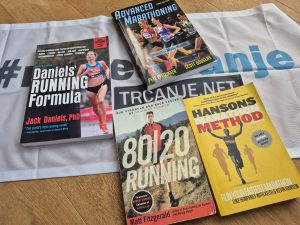
The training structure stayed the same: intervals, tempo runs, long runs, and easy miles – the same formula that once brought me to my 2:55 PB.
Hope vs. Reality
This time, though, many sessions had to be shortened or rearranged. I focused on making the most of the key workouts, which gave me some confidence. Still, when you don’t complete the full plan, you can’t realistically expect your best. Yet, runners are eternal optimists – we often expect results beyond what our training truly supports.
That’s something I remind my clients all the time: effort doesn’t always equal smart training (here you can see some of their stories, and here the services I offer). My own “training chaos” made it hard to hit an optimal balance. Mileage was lower than ideal, scheduling was tricky, and strength training fell off.
But through it all, I managed to keep my running streak alive – 568 consecutive days of at least 5 km per day.
Race Day: Within Expectations
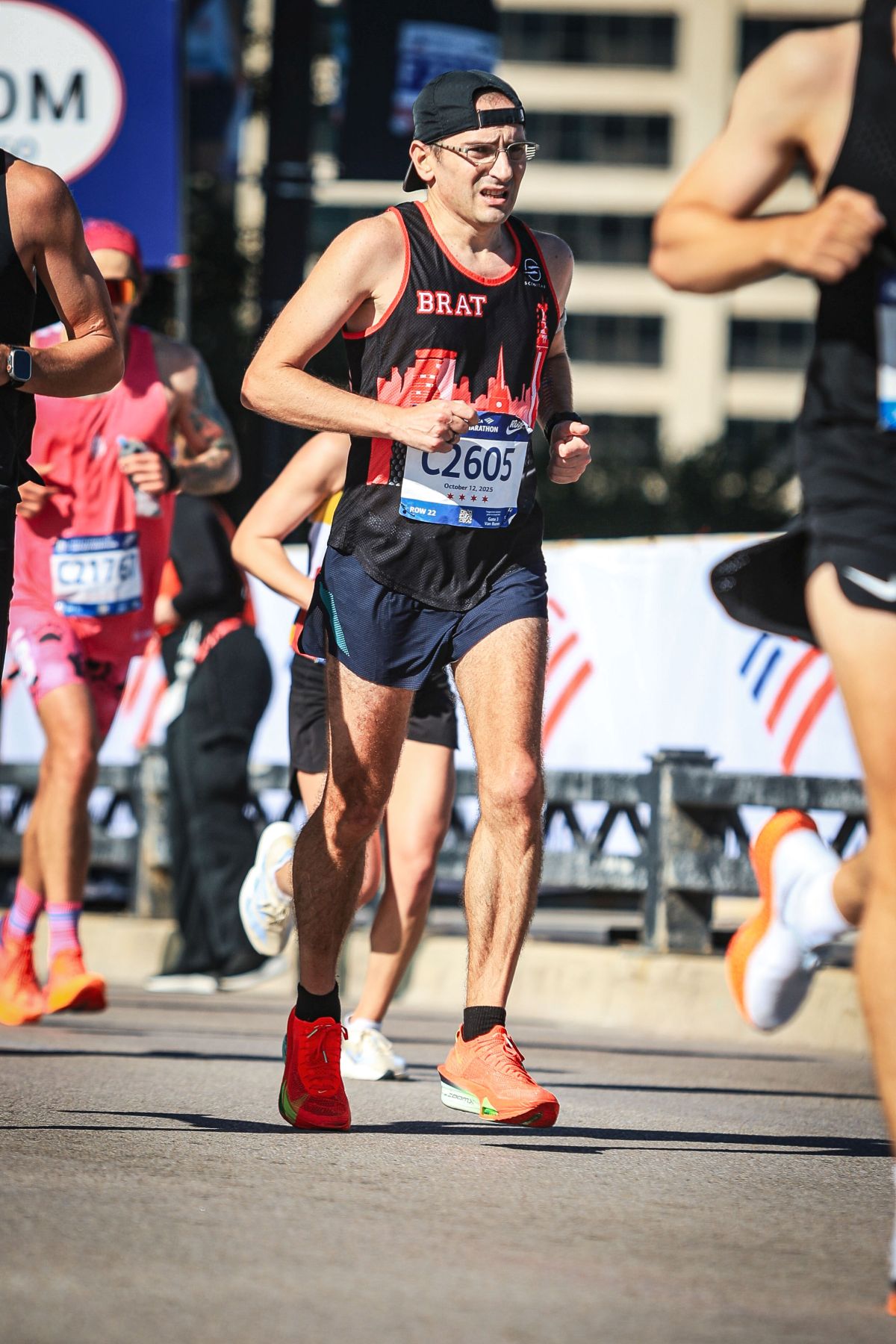
In the end, the result was exactly where it should be — not ideal, but solid for my current level. Anything under 3:10 is a good day, and I finished in 3:07:02.
I took seven gels, drank water often (there were 20 aid stations), and actually picked up the pace after halfway. The splits showed my fastest section was between 21 and 30 km. Around 34 km, I knew the sub-3 wasn’t going to happen — the legs were done. But that was expected given the training. The last 8 km were enough to turn a potential 3:00 into 3:07.
A solid race, and more importantly, an unforgettable experience.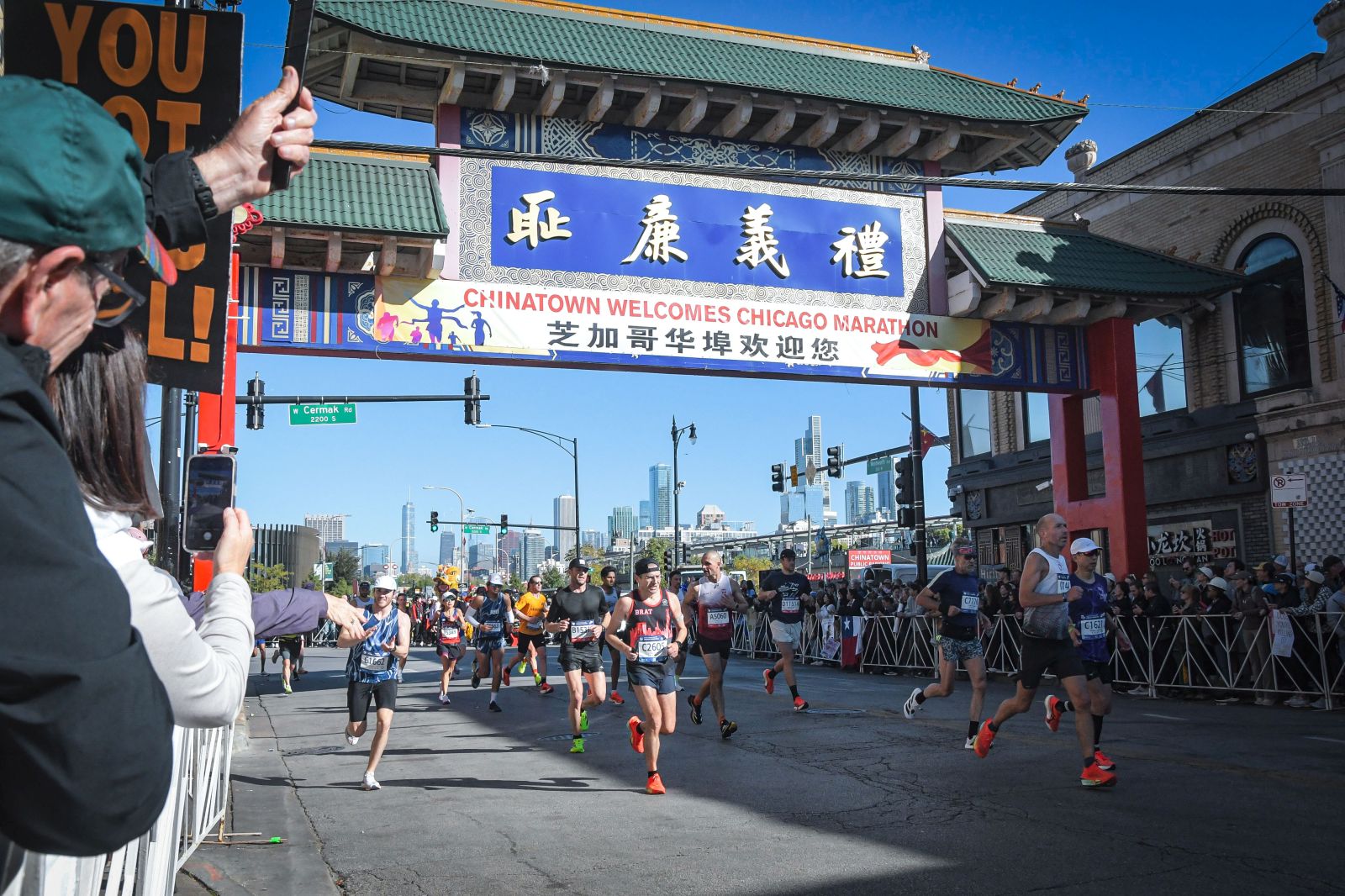
My Marathon Stats
Chicago was my 33rd marathon. I’ve run under 3 hours four times, and between 3:00 and 3:10 fourteen times: 3:00, 3:01 (twice), 3:02, 3:03, 3:04, 3:05, 3:06, 3:07 (Chicago), 3:09 (three times), and 3:10 (twice). The only time missing is 3:08!
Combining travel with performance goals makes experiences like this even more meaningful. I hope more runners get to feel it — though it’s becoming harder as qualifying standards tighten and lottery odds get slimmer.
Looking Ahead
I never used to see the World Marathon Majors as a realistic goal — they felt distant. Berlin was my first back in 2019, Boston was my dream and became reality last year, and this year I got into London through the Good for Age category.
Now, with four Majors completed, chasing the Six Star Finisher medal is definitely on the horizon. But the remaining ones will have to wait. Spring’s goal is the Newport Marathon (Wales), and hopefully Seville (Spain) not long after.
I’m naturally competitive — mostly with myself, and then within the race — but I see racing as short-term motivation for the long-term goal: maintaining great health and quality of life for as long as possible. As my website slogan says: Pace Up Your Health!
This is my 13th year of running, and I know I’ll need to keep finding new sources of motivation beyond chasing PRs. This year, I’m proudest of two things: keeping my 568-day running streak, and passing my first lap around the planet — now at 41,633 kilometers ran during past 13 years.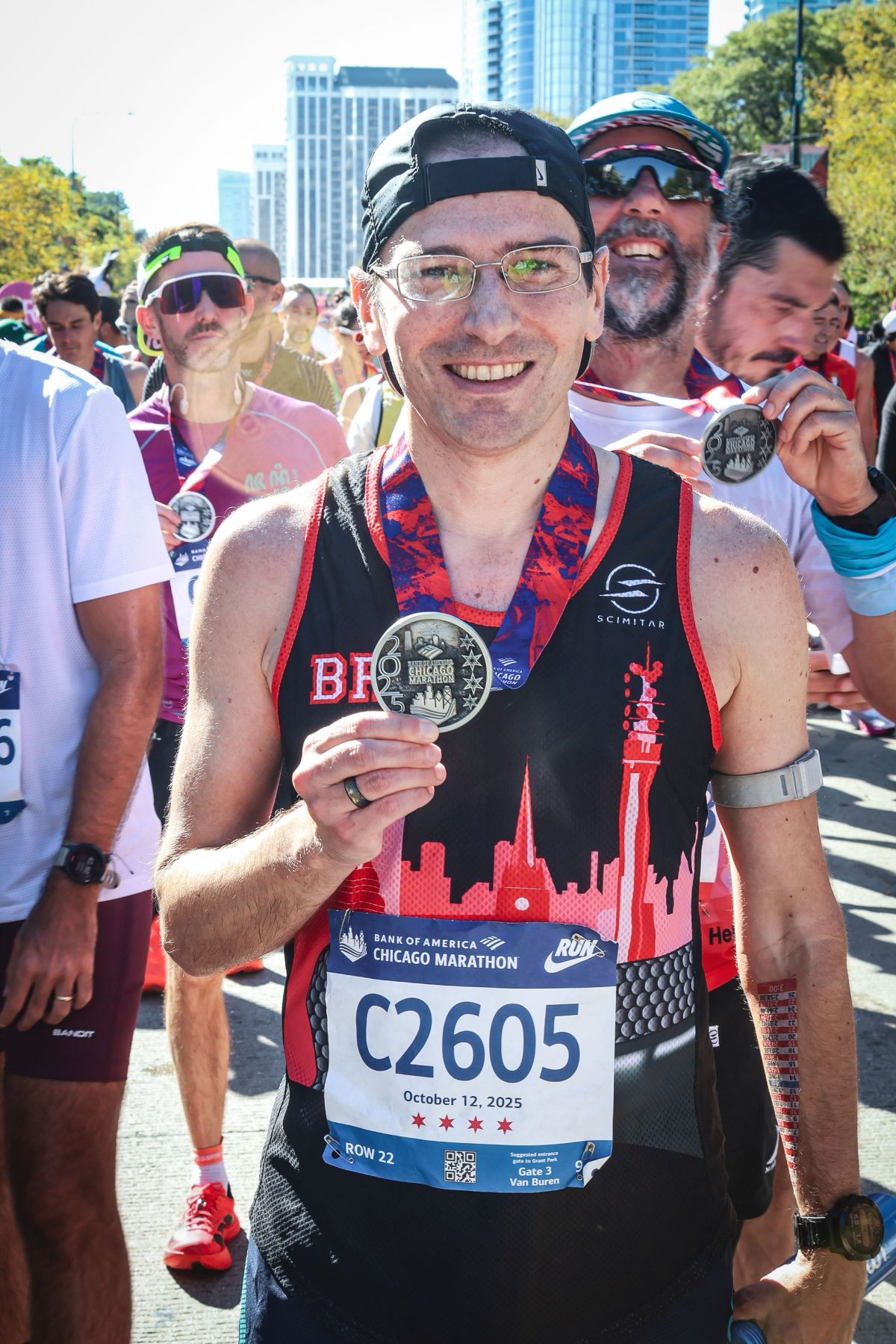
The City of Chicago
Chicago is a city rich in history, culture, and sport — the third-largest in the U.S. with about 3 million residents. It’s the starting point of Route 66, the iconic 3,940-km highway built in 1926 that runs all the way to Santa Monica, California.
It’s also the birthplace of the skyscraper, and the architecture river tour is an absolute must. The Willis (Sears) Tower, which was the tallest building in the world from 1973 to 1998, remains the third-tallest in the U.S.
Chicago’s identity is shaped by its 1920s gangster era (Al Capone), Chicago blues, the elevated “L” train, and food classics like deep-dish pizza and the Chicago-style hot dog.
Sports are a huge part of the city: the Chicago Bulls (NBA), Cubs (MLB), Blackhawks (NHL), and Bears (NFL) all have passionate fan bases.
We made the most of our trip — visited the Art Institute, went up to the 105th floor of the Willis Tower, enjoyed a fantastic architecture river cruise, saw the Lake Michigan beaches, tried local food, and even caught a Bulls vs. Cavs game.